

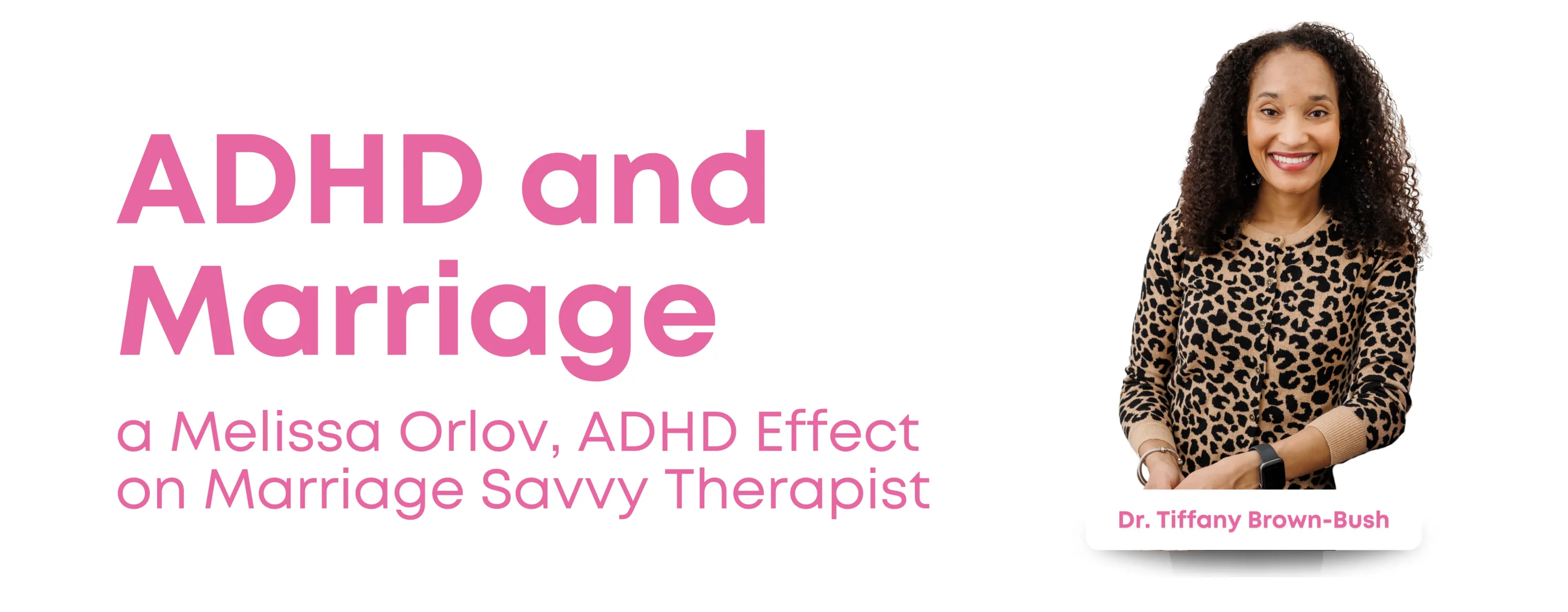
Marriage in a mixed neurodivergent and neurotypical relationship comes with its own set of unique challenges. When one partner has ADHD, it often leads to emotional disconnect, miscommunications, and frustrations. However, with understanding and the right tools, couples can thrive together, no matter how different their neurological makeup may be. Dr. Tiffany Brown-Bush, a Melissa Orlov, ADHD Effect on Marriage Savvy Therapist, provides specialized support to couples who are navigating these complexities, offering guidance that can transform your relationship and help you rediscover connection.
Understanding ADHD’s Impact on Your Relationship
ADHD affects more than just the person living with the condition. It influences the entire relationship dynamic, leading to challenges like chronic disorganization, emotional outbursts, forgetfulness, and difficulty following through on commitments. These challenges can strain both partners, often leaving the neurotypical partner feeling neglected or frustrated, while the partner with ADHD may feel misunderstood or criticized.
Dr. Tiffany helps couples understand how ADHD manifests in daily life and how it affects communication, emotional regulation, and behavior. By understanding these dynamics, both partners can learn to approach the relationship with greater empathy and patience.
The Role of ADHD in Communication Challenges
Effective communication is at the heart of any healthy relationship, but it becomes even more vital in a mixed neurodivergent and neurotypical marriage. ADHD can make it difficult to stay on task during conversations, follow through on commitments, and remember important details. This can lead to misunderstandings, hurt feelings, and emotional distance.
Through Dr. Tiffany’s therapy, couples learn to communicate with clarity, patience, and respect. She introduces strategies that both partners can use to communicate more effectively, such as:
- Active listening: Ensuring both partners feel heard and validated during conversations.
- Clarification techniques: Learning to ask the right questions and double-check information to avoid miscommunication.
- Managing emotions: Using grounding techniques to stay calm during tense moments and ensuring that emotions don’t derail the conversation.
These tools foster a sense of mutual respect and understanding, which is essential for a strong partnership.

Building Compassion and Understanding in a Neurodivergent Relationship
One of the greatest struggles in ADHD relationships is the build-up of resentment, frustration, and emotional exhaustion. The neurotypical partner may feel like they are constantly taking on extra responsibilities, while the ADHD partner might feel judged or criticized for things beyond their control. This creates a cycle of negative emotions that can be difficult to break.
Dr. Tiffany’s approach is centered on building compassion and mutual understanding. She helps both partners see each other through a lens of empathy, recognizing that ADHD is a neurological condition and not a character flaw. By fostering understanding and compassion, couples can move past their frustrations and start working together as a team to overcome challenges.
Practical Solutions to ADHD-Related Struggles
While understanding the underlying dynamics of ADHD is crucial, it’s just as important to have practical tools and strategies to manage everyday challenges. Dr. Tiffany provides actionable solutions that couples can implement immediately to reduce the stress and chaos that ADHD can bring.
- Time management tools: Simple tools like shared calendars, task lists, and reminders help couples stay on track and prevent tasks from being forgotten.
- Routine development: Creating predictable routines and schedules that both partners can follow helps minimize disorganization and confusion.
- External systems: Using technology, apps, or physical planners to stay organized and reduce the mental load of remembering everything.
These practical solutions empower both partners to manage ADHD-related struggles in a way that strengthens their relationship and helps them achieve their shared goals.

Professional Support: Why Therapy Matters
Navigating a mixed neurodivergent relationship can feel isolating, but you don’t have to face these challenges alone. Seeking professional help through couples therapy or support groups can provide the guidance, education, and support that couples need to succeed.
Dr. Tiffany specializes in ADHD-informed therapy, working with couples to improve communication, build trust, and develop healthy coping mechanisms. She also recommends joining ADHD-specific support groups where couples can connect with others facing similar struggles, share experiences, and learn new strategies for managing ADHD in their relationships.
In addition to therapy, Melissa Orlov’s ADHD marriage resources offer valuable insights for couples dealing with ADHD. The ADHD Marriage website provides blog articles, books, and webinars that can deepen your understanding of ADHD’s impact on relationships and offer tools to help improve your connection with your partner. View here.
What You Can Expect from Working with Dr. Tiffany
When you work with Dr. Tiffany, you’re not just getting a therapist—you’re gaining a knowledgeable partner who understands the intricacies of ADHD and its effects on relationships. She provides a safe, non-judgmental space for both partners to express their feelings, frustrations, and hopes. Together, you’ll work on:
- Deepening emotional connection: Learning to support each other through the ups and downs of ADHD.
- Building better habits: Strengthening your relationship through shared routines and healthier communication patterns.
- Setting realistic expectations: Understanding that change takes time, and learning to set goals that are both achievable and sustainable.
Dr. Tiffany’s goal is to help couples not just survive the challenges ADHD brings but to thrive and build a stronger, more connected partnership.
Check out these blog updates:
Couples Counseling for ADHD—an approach that helps you and your partner reconnect, communicate better, and work through ADHD-related challenges with clarity and compassion.
6 Steps on how to rebuild your relationship, offering a structured, practical, and supportive path to move from conflict to connection—together.
Book a consultation with Dr. Tiffany Brown-Bush today to begin your journey toward a healthier, more fulfilling relationship.