
|
|
Tennis, Pickleball & Anxiety: Why Movement Is Medicine for Your Mind
May is both Mental Health Awareness Month and Tennis Appreciation Month, and I believe the intersection between these two areas is more than symbolic, it’s scientifically grounded and clinically significant.
As a Traditional Naturopathic Doctor, Licensed Neuro-Psychotherapist, and Certified Functional Medicine Clinician, I approach every client’s symptoms through the lens of what I call the Doc Brown-Bush Method, a comprehensive system that addresses the Brain, Body, and Mind as one integrated whole. In this method, movement isn’t an afterthought. It’s a core therapeutic tool, particularly when treating anxiety, ADHD, and nervous system dysregulation.
A Personal Connection to Holistic Healing
My passion for this work comes from lived experience. In my youth, I struggled with mood swings, attention difficulties, and food sensitivities. It took years, and a lot of digging beneath the surface, to realize that my symptoms weren’t just “personality quirks” or flaws. They were rooted in genetics, early trauma, gut health disruptions, antibiotic overuse, and stealth infections. This journey inspired the way I practice today: through a holistic, trauma-aware, and biologically-informed lens.
And now, after 24 years in the wellness and mental health space, I’ve come to appreciate that healing isn’t linear, and it’s never one-size-fits-all. But one constant across my client cases is this: movement helps. A lot.
Exercise: A Research-Backed Intervention for Anxiety
According to a research, both acute (short-term) and chronic (long-term) exercise have measurable impacts on reducing symptoms of anxiety and stress (Basso & Suzuki, 2017). Exercise influences brain chemistry, balancing neurotransmitters like serotonin, dopamine, and GABA, which are often out of alignment in individuals with anxiety.
And while any movement is better than none, structured, intentional movement, especially aerobic exercise, has been shown to outperform control interventions and even rival antidepressants in certain studies.
In one fascinating clinical trial, researchers compared traditional antidepressant use with running therapy. Participants who exercised outdoors at 70–85% of their heart rate reserve experienced mental health benefits comparable to those taking medication, with significantly better physical health outcomes (Lahart et al., 2019). This shows us that movement doesn’t just change how we feel, it transforms how we function.
Why Racket Sports Are Uniquely Powerful for Brain Health
So, where do tennis and pickleball fit into this picture?
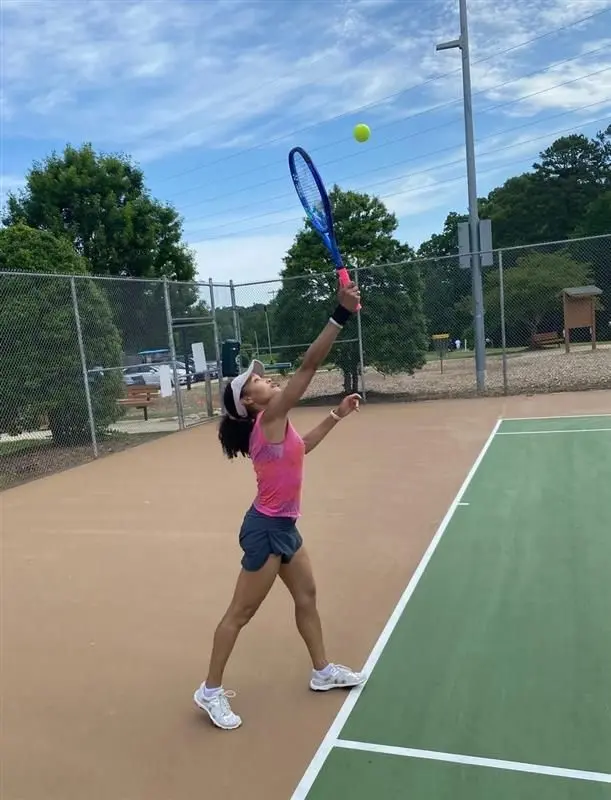
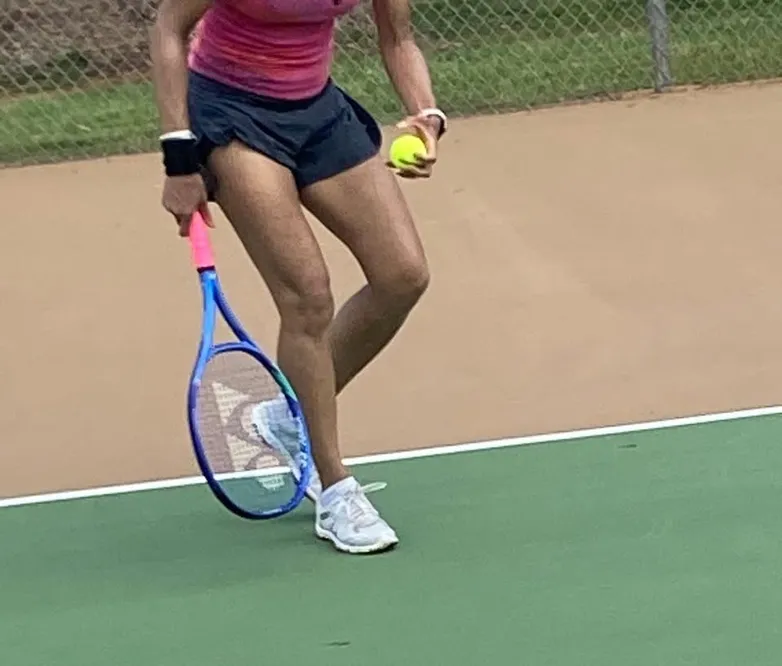
Unlike some forms of exercise that are purely physical or repetitive, racket sports stimulate the brain in unique ways. A widely cited study from The British Journal of Sports Medicine outlines how tennis improves cognitive flexibility, processing speed, visual attention, and motor coordination (Freitas et al., 2024). These are exactly the cognitive domains most impacted by anxiety, ADHD, and trauma.
Racket sports also require:
- Split-second decision making
- Visual tracking and timing
- Whole-body integration (crossing midline)
- Balance between left and right hemispheres
- Adaptability under pressure
In essence, you're training your prefrontal cortex (decision making), parietal lobe (spatial reasoning), and cerebellum (coordination and timing), all while reducing cortisol, increasing endorphins, and improving cardiovascular health. That’s what we call a win-win-win.
Pickleball: The Mental Health Darling of Movement
For those who find tennis intimidating, pickleball offers similar benefits with a gentler entry point.
A recent 2023 study found that playing pickleball three times per week led to notable reductions in anxiety and depression among older adults, while also improving quality of life (Cerezuela et al., 2023). The reasons are clear: it’s social, low-impact, brain-engaging, and often played outdoors, all factors that calm the nervous system and promote healthy neuroplasticity.
Why I Incorporate Movement Into Every Treatment Plan
In my office, clients don’t just talk, they move. Movement is included in nearly every Anxiety or ADHD Treatment Plan, tailored to the individual’s brain timing, nervous system state, and overall physical health.
For those in my Anxiety Intensive, we often begin with brain timing testing, which tracks reactivity to sensory stimuli. We repeat this test midway through treatment, and I consistently see improvements in accuracy and responsiveness, especially in clients who’ve followed their personalized movement protocol. These are objective, measurable changes that go far beyond “feeling better”, they reflect true neural recalibration.
What’s more, for clients who’ve tried medication without full relief, or those who want an alternative route, my holistic, non-pharmaceutical approach offers hope and clarity. And exercise is just one piece of that puzzle. We also explore:
- Emotional Freedom Techniques (EFT)
- Brainspotting and Internal Family Systems (IFS)
- Functional Medicine and Neurology Testing
- Nutritional, hormonal, and gut health assessments
- Lifestyle modifications that actually fit your life
Why So Many Are Still Stuck
Despite all this research and evidence, 31% of the world’s adults remain physically inactive. That’s over 1.8 billion people not accessing a powerful tool for managing mood and nervous system function. Why?
In part, because our system over-relies on medication. Too often, movement is treated as optional, or worse, irrelevant. But in my clinic, it’s essential. I don’t believe in “quick fixes", I believe in lasting results driven by understanding the full story behind your symptoms.
Ready to Change the Way You Think About Anxiety?
If you’re struggling with anxiety, exhaustion, or overwhelm, I see you, and I want you to know that you don’t have to stay stuck. There are ways to feel better that don’t involve numbing your symptoms or ignoring your body’s signals.
Let’s create a treatment plan that’s grounded in science, tailored to your life, and aligned with your values.
Start here: https://www.docbrownbush.com/anxiety
Here’s to tennis, pickleball, purpose-driven movement, and to healing from the inside out.